
What Is a Typical Wedding Photography Timeline? A Planning Guide
Learn what a typical wedding photography timeline includes, how many hours you may need, and what can affect the schedule on your wedding day.
WEDDING TIPS
6/22/20264 min read





How many hours of wedding photography do you actually need?
There isn’t one perfect number of hours for every wedding. Some couples only need coverage for the most important parts of the day, while others want everything from getting ready through a packed dance floor.
The amount of photography coverage you need depends on things like your ceremony time, whether everything is happening at one venue, how much travel is involved, whether you want getting-ready photos, and how late into the reception you want your photographer to stay.
For many weddings, 6 to 8 hours of coverage is enough to capture the major parts of the day without feeling rushed.
What Does a Typical Wedding Photography Timeline Include?
A typical wedding photography timeline usually includes getting-ready details, portraits, the ceremony, family photos, couple portraits, reception events, and dancing. The exact timing depends on your venue, whether you’re doing a first look, travel between locations, family photo combinations, and how much reception coverage you want.
A general photography timeline might include:
Getting ready and details: 30–60 minutes
First look and portraits: 20–40 minutes
Wedding party photos: 20–30 minutes
Family portraits: 20–30 minutes
Couple portraits: 20–30 minutes
Ceremony: 20–60 minutes
Reception details and events: varies by wedding
Dancing and nighttime portraits: depends on coverage
Want to see how those pieces fit together in real life? Take a look at my 6-hour wedding photography timeline for a complete sample schedule from getting ready through the reception.
Is 6, 8, or 10 Hours of Wedding Photography Right for You?
6 hours can work well for smaller weddings, one-location celebrations, or couples who don’t need extensive getting-ready or late-night reception coverage.
8 hours gives most couples more breathing room for getting ready, portraits, ceremony coverage, reception events, and dancing.
10+ hours can make sense for larger weddings, multiple locations, long ceremonies, cultural traditions, or couples who want coverage from early preparations through a late-night exit.
If you’re still deciding how much coverage makes sense for your day, you can also take a look at my Austin wedding photography packages and pricing.
How to Prep Your Details for the Perfect Start
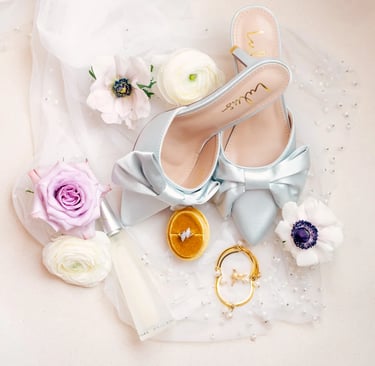
One of the easiest ways to keep your wedding photography timeline running smoothly is to have your important details gathered before photography begins. That way, I can photograph everything efficiently without having to search for items while you’re getting ready.
For the bride, this may include:
Dress
Shoes
Rings
Jewelry
Invitation suite
Perfume
Veil
Bouquet
Family heirlooms or sentimental items
For the groom, this may include:
Suit or tux
Shoes
Watch
Cufflinks
Tie or bow tie
Cologne
Boutonniere
Any meaningful personal items
Keeping everything together in one place saves time and helps the day start off calmly.
What Can Change Your Wedding Photography Timeline?
HAVING TWO VENUES
Even the best timeline sometimes needs to shift. That’s completely normal. The key is building enough flexibility into the schedule so a small delay doesn’t throw off the entire day.
If you’re getting ready in one location, having the ceremony somewhere else, and then traveling again for the reception, transportation time needs to be built into the photography schedule.
Parking, traffic, loading up wedding parties, and moving between locations can take longer than expected, especially in Austin.
A LARGER WEDDING PARTY
The larger the wedding party, the more time group photos can take. Bigger groups usually need extra time for organizing people, adjusting poses, and making sure everyone is where they need to be.
HAIR AND MAKEUP RUNNING BEHIND
Hair and makeup delays are one of the most common reasons wedding timelines shift.
Adding a little extra buffer time before portraits can keep the rest of the day from feeling rushed if getting ready takes longer than expected.
NIGHT WEDDINGS AND LOW-LIGHT SITUATIONS
Low-light weddings and nighttime receptions can still look beautiful, but they may require a slightly different approach to portraits and reception coverage.
If the ceremony ends after sunset, we may plan portraits earlier in the day or use creative lighting techniques later in the evening so you still get beautiful images even after the natural light disappears.
Why a Wedding Coordinator Can Make or Break Your Timeline
A good wedding coordinator can make a huge difference in how smoothly your wedding day runs.
While I’m focused on photography, your coordinator can help keep vendors on schedule, organize transitions, communicate with the wedding party, and make sure important events happen when they’re supposed to.
That teamwork allows me to focus on capturing the moments instead of trying to manage the entire wedding day.
When a Second Photographer Helps Your Timeline
A second photographer can be especially helpful when several important things are happening at the same time.
For example, one photographer may be photographing the bride getting ready while the second photographer is with the groom. During the ceremony, one photographer can focus on the couple while the other captures reactions from family and guests.
Having two photographers can make the day feel less rushed and allows more moments to be documented without constantly moving everyone from one place to another.
Hiring a Photographer Who Knows How to Adapt
Every wedding day is different, and even the most carefully planned timeline can change.
The best wedding photography timeline is one that gives you structure without making the day feel stressful. An experienced photographer should be able to adjust when things run late, lighting changes, weather shifts, or unexpected moments happen.
My goal is always to keep things moving while helping you feel relaxed, comfortable, and present on your wedding day.
A timeline should support your wedding, not control it.