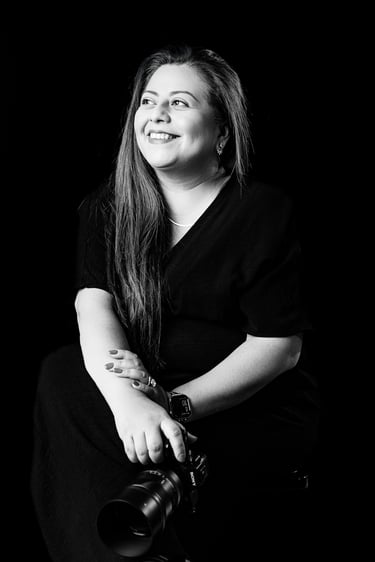
What 300 Weddings Taught Me About Light, Love, and Letting Go of Industry Norms
An Austin wedding photographer shares honest lessons from 300 weddings on: low light, realistic coverage hours, editing, and letting go of industry norms.
7/23/20267 min read
I recently sat down with Voyage Austin to talk about my journey as a wedding photographer, and it got me thinking about all the details that never quite make it into an interview format: the specific moments, the lessons, and the opinions I don't always get to share. So I wanted to expand on that conversation here, with real stories and the things I've picked up after shooting nearly 300 weddings.
How It All Started
My photography journey technically began at age three, when I snuck my uncle's camera and used up all his film on a very artistic shot of a door. He wasn't thrilled. I, on the other hand, was hooked for life.
I went to school for architecture, not photography, which used to make me feel like an outsider in this industry. But that background turned out to be the exact thing that shaped my eye. Architecture taught me to see lines, light, and design in a way that most photographers never had to learn deliberately. It became the foundation of my entire style.
My Specialty: Running Toward the Dark
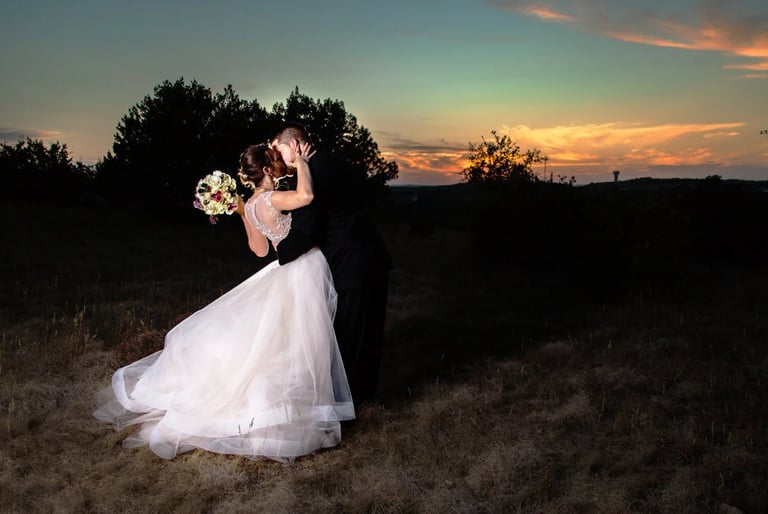
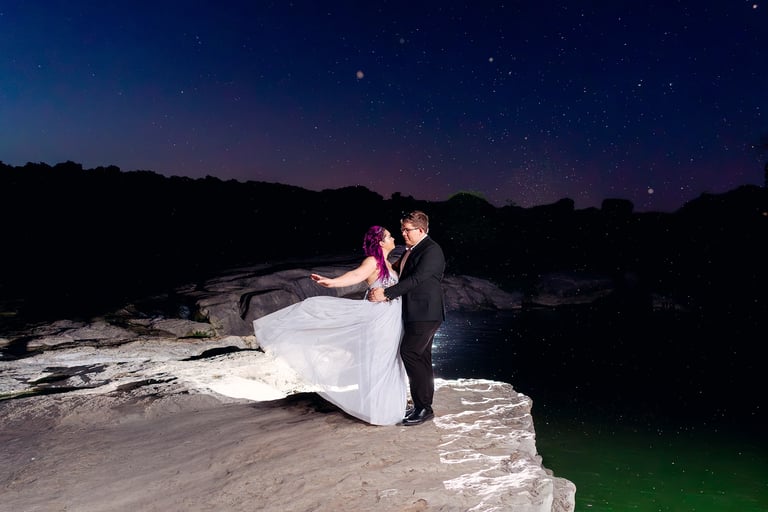
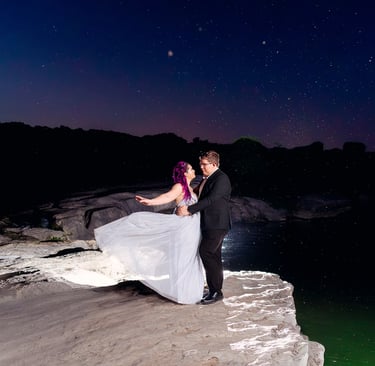
While a lot of photographers avoid dark venues or nighttime receptions, I go looking for them. My background in architecture means I look at light and space like a puzzle to solve, not a problem to work around.
One of the best examples of this was a wedding at The Everly. The venue has a speakeasy that is so dark, guests had to use their phone flashlights just to see where they were walking. My sister and I were shooting together, and the bride hadn't given us a heads-up about how limited the lighting would be.
We always come prepared for low light, but this was one of the most extreme situations we've ever shot. We made it work, and to this day, it's still one of my favorite weddings we've ever done.
Getting to that point took real time and effort. When I first started shooting weddings, I quickly learned that cameras can't work miracles in the dark without help. I spent a long time studying artificial light, taking workshops, and testing techniques until I could use it in a way that felt natural rather than obstructive. Low-light and nighttime weddings are now my specialty, but that mastery took years to build.
What "Affordable Luxury" Actually Means
I describe my business as "affordable luxury," and I get asked what that actually means in practice.
For me, it comes down to two things:
I'm priced more competitively than peers with the same level of experience, so couples aren't paying a premium just for a name.
Every client gets a personalized timeline built during our consultation, along with tips and tricks I've picked up over years of shooting weddings, so they're walking into their day prepared instead of guessing.
It's about giving couples a high-end experience and result without pricing them out of it, and being transparent about what they're actually paying for.
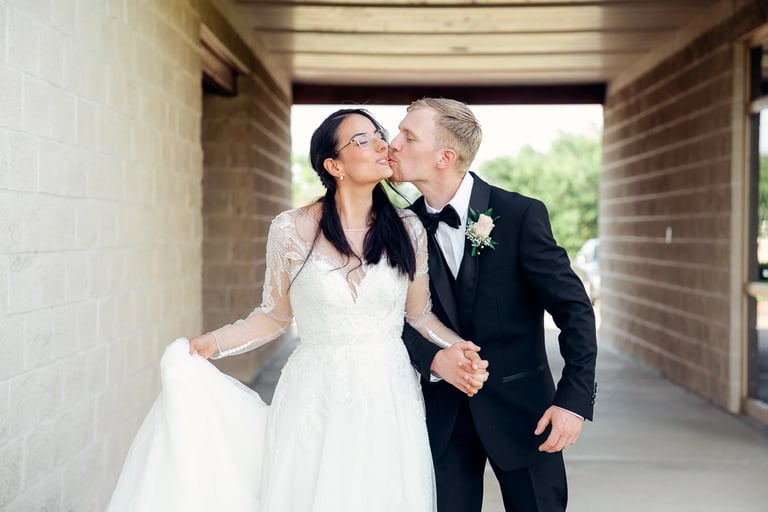
The other piece of this is what happens after the wedding day is over. I've put a lot of time into refining my editing process, and that step is where a lot of the "luxury" in affordable luxury really comes through. Thoughtful color, tone, and consistency across a gallery are what give images that polished, high-end feel, and it's something I care about deeply for every single client. Strong editing is what turns a great photo into one that looks like it belongs in a magazine spread, and that's the standard I hold myself to on every gallery I deliver.
A Trend I Disagree With: The 8-Hour Coverage Standard
Here's an opinion that might ruffle a few feathers in the industry. The standard for wedding photography coverage is typically around 8 hours. I can capture every important highlight of a wedding day in 6 hours.
I've talked to other photographers who offer all-day coverage at a much higher price point, and they've looked at me like I'm crazy for not doing the same. Some photographers love being there for every single moment, from getting-ready shots at sunrise all the way through the last dance. That's just not my style, and I don't think it needs to be anyone's default.
Here's my honest take: being a great wedding photographer means knowing your realistic limits. Not many people can give 100% of themselves for 12-plus hours straight, staying physically active, keeping a sharp artistic eye, holding the same energy the whole time, and juggling family members and other vendors on top of it all. That's a lot to ask of anyone, and I'd rather be excellent for 6 focused hours than stretched thin for 12.
This is exactly why I believe in hiring a photographer for the hours a couple genuinely needs. It's more cost-effective, and honestly, it produces better photos. The tricky part is that most couples don't actually know how many hours of coverage their day requires, which is how so many end up booking an all-day package with a hefty price tag attached, simply because that's what's presented as standard. Because my approach is built on affordable luxury, I'd rather walk couples through their actual timeline and help them figure out what they truly need, instead of upselling hours just because it's the industry norm. If a couple does want me there from morning to night, I'm all for it. But that decision should come from what's right for their day, not from an assumption.
Where My Hustle Comes From
People are sometimes surprised to learn I've had a business mindset since I was eight years old. I grew up buying and selling silver at my family's beauty salon, and being immersed in a family business from that age taught me more than I realized at the time.
I watched how my family interacted with customers day in and day out, and that shaped how I treat my own clients now: how to make people feel genuinely cared for, how to go above and beyond, and how to have real conversations rather than just transactional ones. It's also exactly why my sister and I shoot together. I understand firsthand what it takes to build and sustain a family business, and I wanted that same foundation for mine.
How My Style Has Evolved Over Nearly 300 Weddings
The version of me shooting weddings today is different from the one who started out. Early in my career, I'd show up just a few minutes before coverage began. Experience taught me that wasn't enough time to settle in and prepare properly, so now my sister and I always arrive a full 30 minutes early.
The other major shift has been my relationship with light. Low-light photography intimidated me when I started, and it took real time to learn how to use artificial light in a way that enhanced a moment instead of interrupting it. That skill didn't happen overnight, but it's become the thing I'm most known for.
Getting Camera-Shy Couples to Relax
A lot of my couples describe themselves as awkward or camera-shy before we even start. My go-to trick is simple: get them moving.
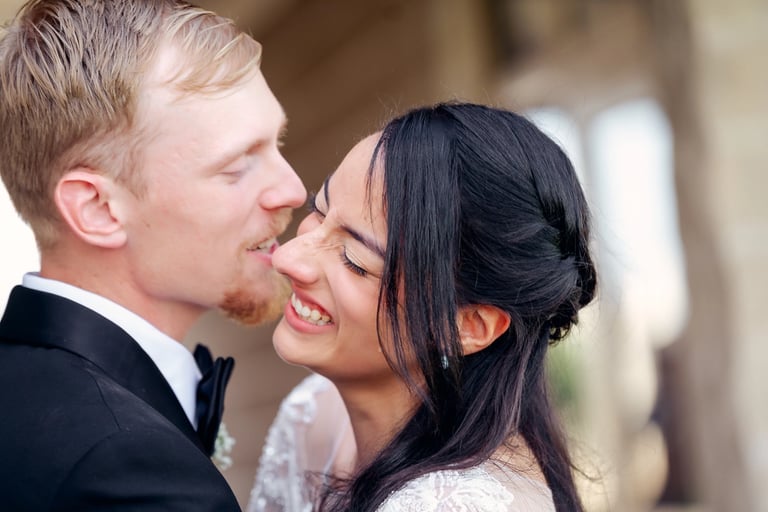
I'll have them walk toward me, then away from me, while I ask them questions about how they met. Keeping them physically in motion while they're talking about something they love takes the pressure off posing and lets real emotion show up naturally. It works almost every time.
I'm also in the process of building something new: an engagement guide packed with tips on how couples can get the most out of their engagement session before the wedding day even arrives. It's still a work in progress, but it's coming.
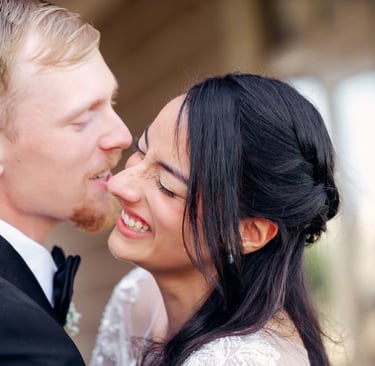
A Day-in-the-Life of a Homeschooling Wedding Photographer
Running a wedding photography business while homeschooling my son makes for a genuinely hectic week, but it works because of how I structure it.
Mornings start with homeschooling. My son is at a point now where he can do a lot of his work independently, so while he's working, I'm right there beside him: writing blog posts, editing galleries, answering emails, and handling the business side of things that clients never see.
My Erin Condren Teacher planner has been a lifesaver for keeping homeschooling and work organized without letting the two bleed into chaos. I'll admit I'm a little obsessed with pens and stationery, so this planner checks every box for me.
My Advice to Engaged Couples
If there's one thing I want couples to hear, it's this: don't let wedding planning stress overshadow the actual joy of what you're celebrating. The day itself moves by in a blur, but the marriage you're building is what lasts.
When you're choosing vendors, especially your photographer, look for someone who is a pro, but feels like an old friend. Someone who makes you laugh, calms your nerves, and lets you be yourselves. The best photos never come from perfect poses. They come from real joy and just having a good time.